Ukrainian forces are pushing Russian forces east, in retreat. Ukrainians are motivated to fight for their homes, their families, their lives. Russians with educations are motivated to flee Russia. Russian soldiers are motivated to fight by amount of stuff they can steal, the women and girls they can rape, the people they can execute, including their commanders.
Member of Israel’s Communications Ministry praying in Riyadh, Saudi Arabia, October 3, 2023.
February 10, 2024 was four months since Hamas invaded Israel from Gaza, killing 1200 people, raping and brutalizing women, beheading babies, kidnapping 240 people. We know that Hamas tortured some, probably all of the hostages they freed. We know that they killed some of the hostages; we don’t know how many.
HAMAS IS ATTEMPTING GENOCIDE.
This picture, an Israeli Jew praying, holding a Torah scroll in his hotel in Riyadh, Saudi Arabia, is believed to have been the trigger, the provocation, but not the cause.
“For Hamas, Israel’s mere existence is a provocation,” – Avi Shavit.
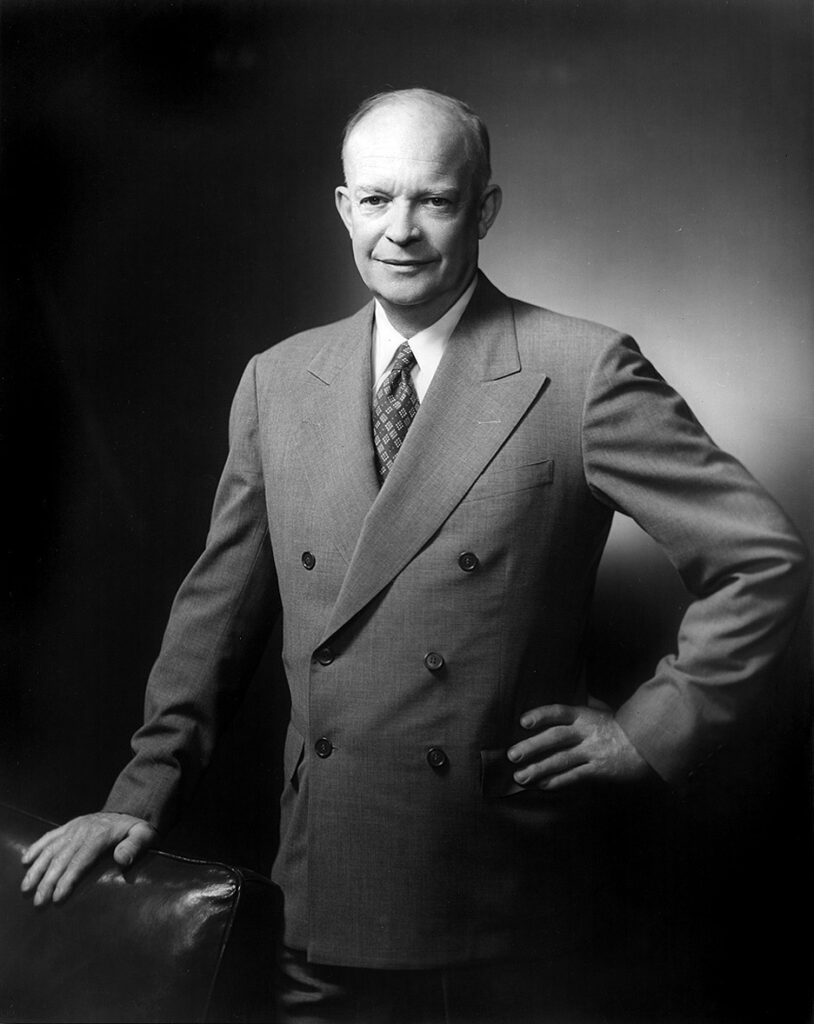
Dwight D. Eisenhower c1952 Copyright by Fabian Bachrach.
In 1953 President Eisenhower nominated Charles Wilson to be his Secretary of Defense. Wilson, then the President of General Motors, had overseen GM’s war production during World War II. During his confirmation hearings he was asked if he could make a decision that was bad for GM. His response is remembered as a classic example of arrogance – “What’s good for GM is good for America.”
What is certain is that improvements in wind, solar, battery storage and electric vehicles will continue these technologies’ march to dominance, while fossil fuels become niche. Concerns about the land needs of renewable energy are overblown; you could power the entire U.S. with solar panels on just one-third of the more than 30 million acres currently devoted to growing corn for climate-unfriendly ethanol. Indeed, solar doesn’t even have to displace farming. Agrivoltaics is already making solar and agriculture compatible and creating money-saving synergies.
I am sure she is correct. Consider the the logistics and life cycles of the PV Solar and Corn to Ethanol systems and the Second Law of Thermodynamics. The 2nd law basically “The entropy of the universe increases.” (Entropy is randomness or disorder. And this is high school physics.)
Imagine a building w a solar roof. The sun shines on the roof, and it powers the building (except at night or when it’s raining or snowing). One stop shopping.
Imagine a corn to ethanol operation.
Plant corn.
Apply fertilizer.
Apply pesticides.
Repeat 2 and 3 as needed.
Harvest the corn.
Process it into ethanol.
Ship the ethanol to a facility where it is mixed into gasoline.
Ship the gas-methanol mixture to gas stations.
Repeat.
Not quite as simple.
Solar modules generate electricity by converting photons into electric current. Ethanol farms convert photons into corn, which must be harvested, then processed. Growing the crop probably uses fertilizer and pesticides, because the corn to ethanol operations are probably not organic farms. The tractors required for planting, harvesting, etc require fuel, maintenance. The factories in which the corn is transformed into ethanol require power and maintenance, and if they have moving parts, lubricants. Transporting the ethanol requires tankers, pipelines, etc. Solar is one step. Corn to ethanol is multiple steps. Entropy is created, energy is lost in each step. (Energy is also lost in solar when 1) the direct current generated by a PV solar module is inverted into DC and 2) the electricity travels thru transmission lines.) And PV Solar works with low maintenance for 20 to 30 years. While corn to ethanol planting, harvesting, processing need to be repeated every year.
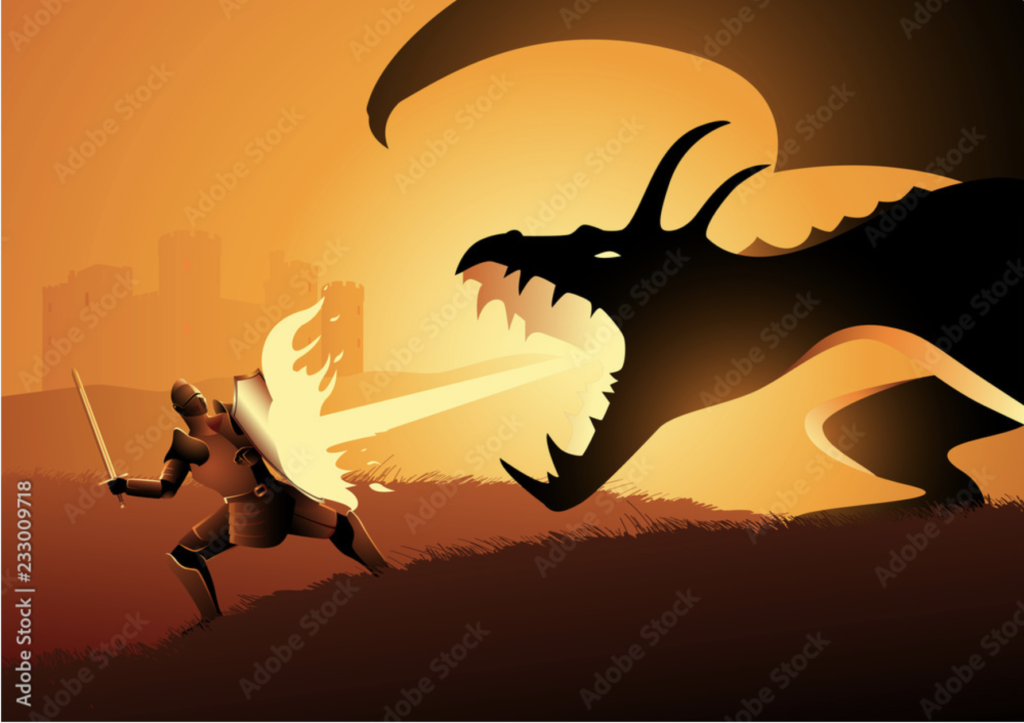
Dragon breathing fire, knight protecting himself with shield. Image incompatible with the laws of physics. The fire should melt the shield and incinerate the knight. But the energy in the fire should propel the dragon backwards. And what is it’s power source? Is it nuclear or chemical? Either way, it could not fly, or breathe. And would not be interested in gold.
The dragon flies, breathes fire, wipes out towns. It is a symbol of awesome power and unbridled greed. Yet, in the traditional American and English stories the dragon is defeated; outwitted by little hobbits, killed by dour warriors and noble knights. In the brutal dystopian world of “Game of Thrones“ and “House of Dragon,” its prequel (neither of which I have seen), dragons are tamed by humans more cruel and more ruthless who wield magic. But above all else, aside from the large monitor lizard that is the Komodo Dragon, the dragon illustrated above is legend, myth, and fantasy; it is not real.
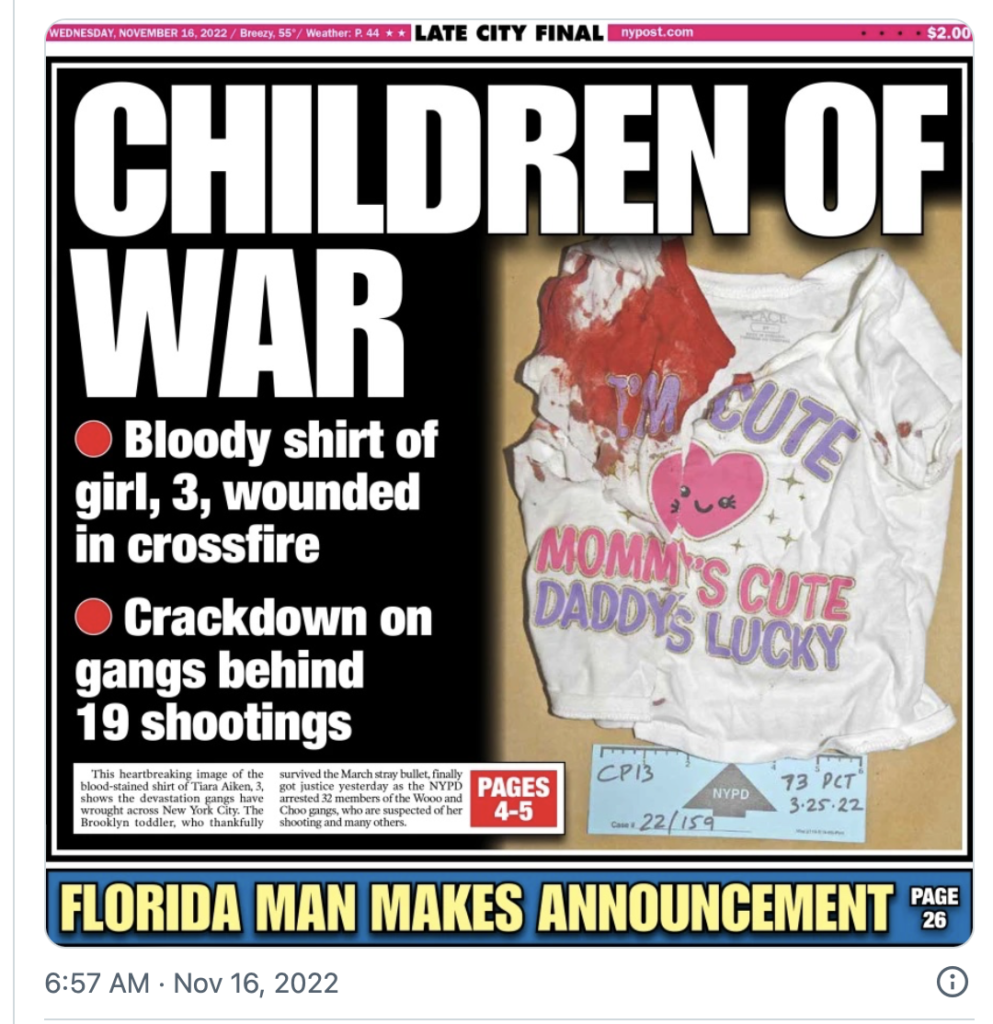
The NY Post‘s bottom of the page headline, “Florida Man Makes Announcement. Page 26” didn’t make it clear, but Donald Trump, announced on November 15, 2022 that he is running for President in 2024.
The fact that the Post wrote “Florida Man” not “Donald Trump,” “President Trump,” etc., speaks volumes. The twice-impeached 45th President of the United States, twice lost the popular vote, said COVID-19 is a hoax, suggested that people drink bleach to cure them of COVID, suggested that people take a drug used to treat intestinal parasites to cure COVID, tried to bribe Ukraine’s President Volodomyr Zelenskyy, refused – and still refuses – to admit defeat and accept the results of the 2020 election, stole Top Secret documents related to US national security, and launched an insurrection to hold power.
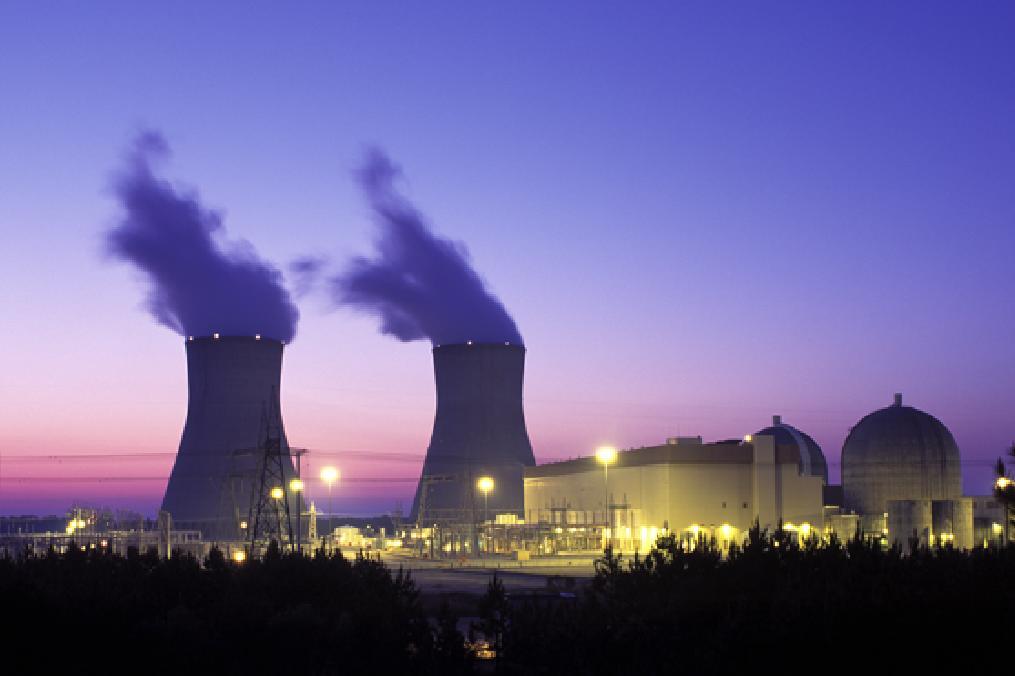
Back in June, 2022, the Vogtle 3 and 4 reactors, not shown above, each 1.215 Gigawatts of nameplate capacity was pegged at $34 Billion, or $14 per watt, here.
$34 Billion would buy roughly 17 – 20 Gigawatts of wind capacity or 12 – 15 Gigawatts of solar capacity today.
“Climate models,” according to Daniel Baer and Noah Gordon, in the Washington Post, here, “are complicated things. They must consider a staggering number of mathematical and physical variables to predict, for instance, how emitting a given amount of carbon dioxide will change the flows of air, water and heat between the atmosphere and the oceans. More sophisticated projections go further, showing how temperature changes will affect rainfall in a certain region, which in turn will affect crop yields and, as a result, the carbon cycle.”
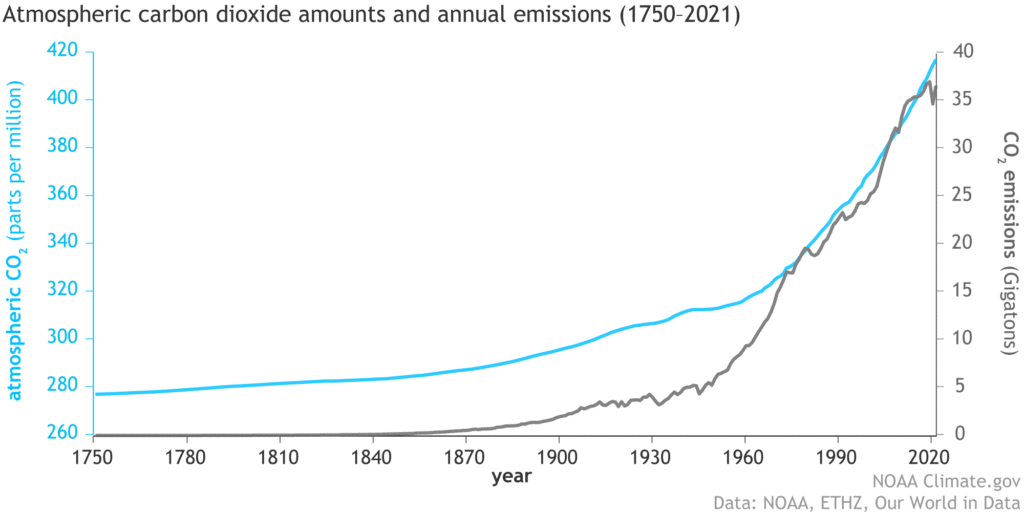
However, as illustrated above, from “Climate.gov,” here, atmospheric Carbon Dioxide concentrations have increased close to 50% since 1750, when they were under 280 ppm, to around 420 ppm today.
Vogtle nuclear plants 3 and 4 are now forecast to cost a total of $34 Billion. $30.34 Billion (USNews and GPB), plus the $3.68 Billion Westinghouse paid to the owners in conjunction with it’s bankruptcy filing (GTTSI), that’s $34.02 Billion, $14 per watt.
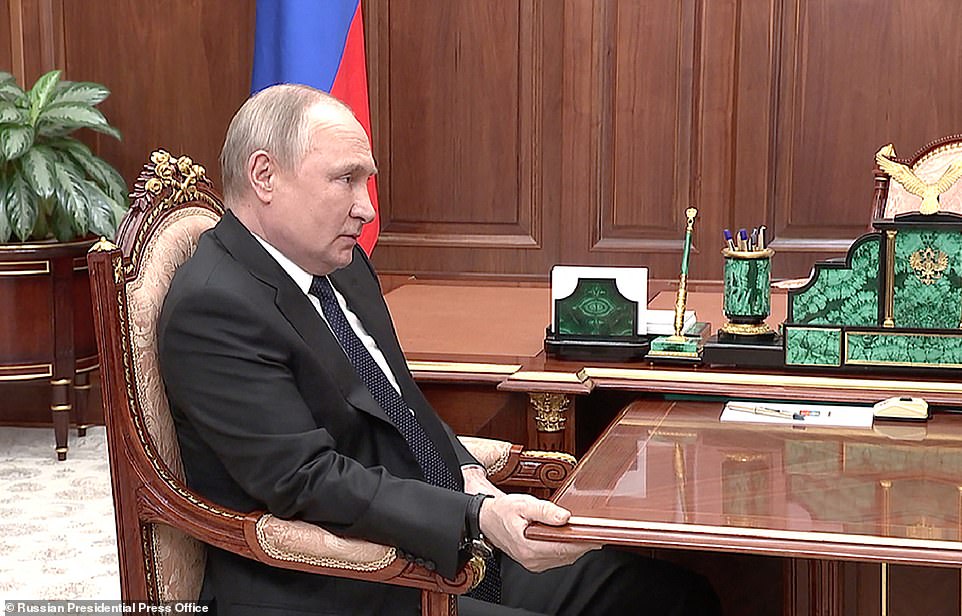
You can read a man like a book. His eyes, his smile, his body language reveal his character. How does he respond to adversity? Does he panic and blame others? Does he seek and listen to counsel and take action? Does he have a sense of humor? Can he take a joke?
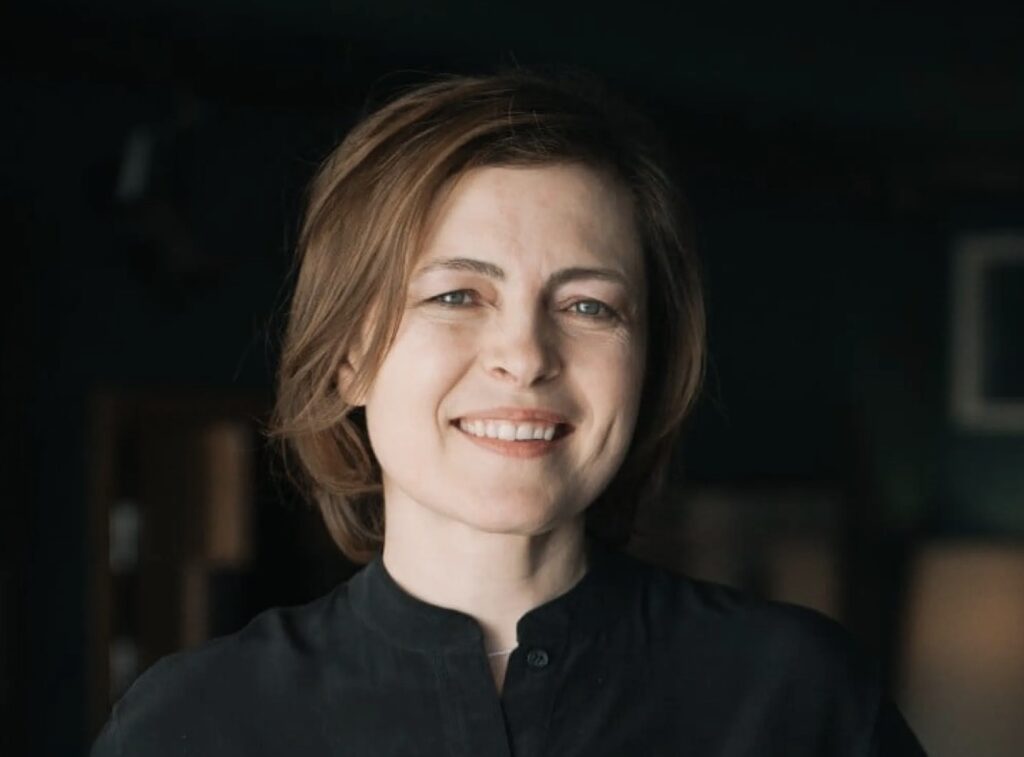
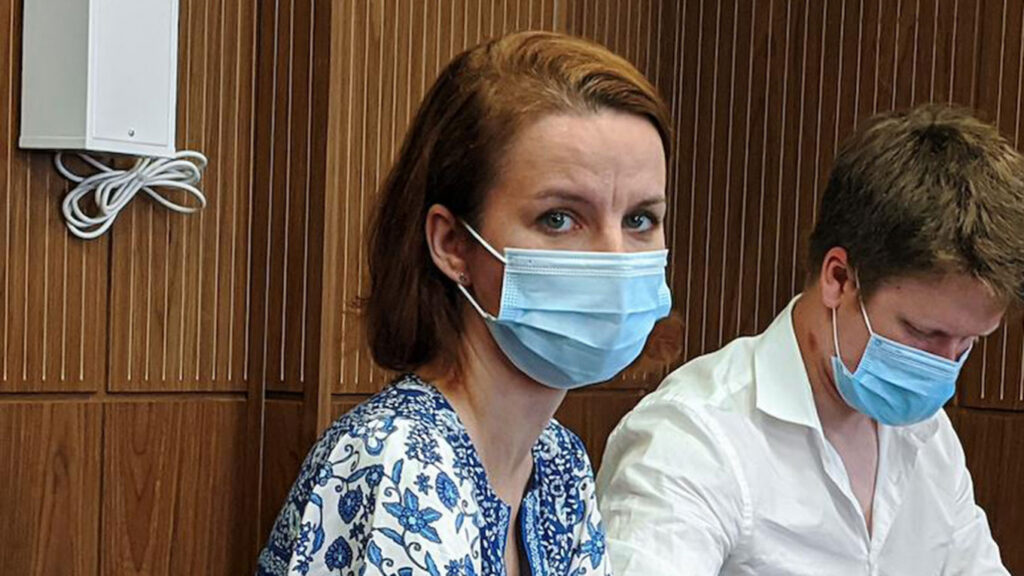
Elena Kovalskaya, formerly director of the Meyerhold Center theater
“You can’t work for a killer and get paid by him,” Elena Kovalskaya, who runs the Meyerhold Center theater, said on Facebook, and resigned.
The theater — named after late Russian playwright Vsevolod Meyerhold — also spoke out on Facebook, saying that Russia’s relentless aggression in Ukraine has “now come into tragic conflict with our mission…. We cannot be silent about this. We only have this left to say: ‘No to war,'” the performing arts venue said in the social media post. “War is much more than disrespect for a person, and much more horrifying. War is the death of a person, it is the killing of people.” The theater also thanked Kovalskaya for her “courage.”
Prominent Russians shocked by the invasion of Ukraine have gone public with their opposition to the war, despite the professional and personal risks that come with dissent on such a sensitive issue in Russia.
More than 1,800 people were arrested at rallies across Russia on Thursday night as prominent Russians from the worlds of entertainment, business and journalism have risked their livelihoods in order to speak out.
Elena Chernenko, left.
Elena Chernenko, the veteran diplomatic correspondent for newspaper, Kommersant, wrote. “War has never been and will never be a method of conflict resolution and there are no excuses for it,” she wrote. Nearly 300 journalists have signed, including representatives of state-run media. In retaliation, she has been expelled from the diplomatic pool, which she has covered for more than 11 years, for “unprofessionalism”.
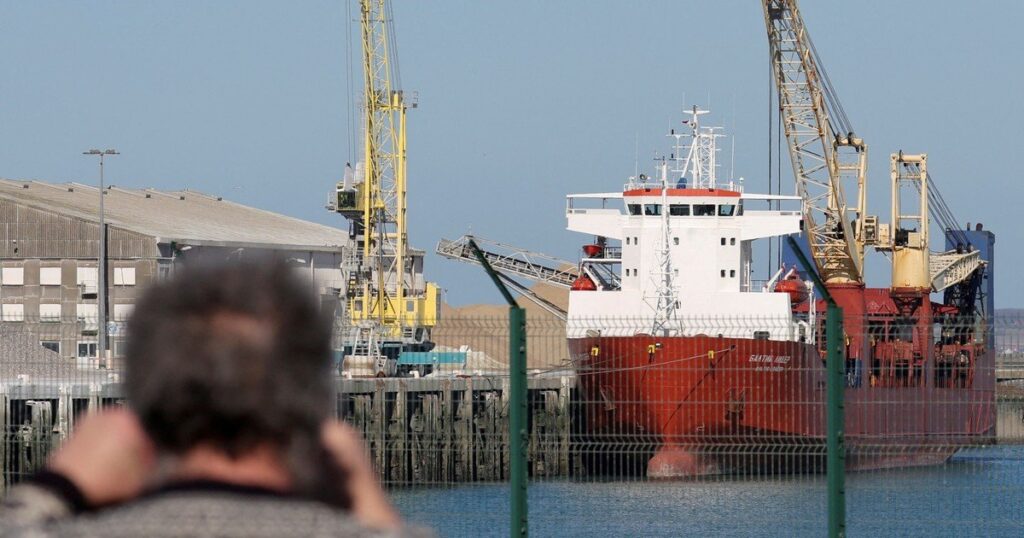
The French navy has intercepted a Russian cargo ship in the English Channel that was bound for Saint Petersburg, the BBChas reported.
French officials said the ship was intercepted according to new European Union sanctions imposed on Russian entities and individuals after Vladimir Putin launched an invasion of Ukraine.
An official told the BBC: “A 127 meters long Russia cargo ship called the ‘Baltic Leader’ transporting cars has been intercepted overnight by the French Navy in the Channel and escorted to the Port of Boulogne-Sur-Mer in Northern France.