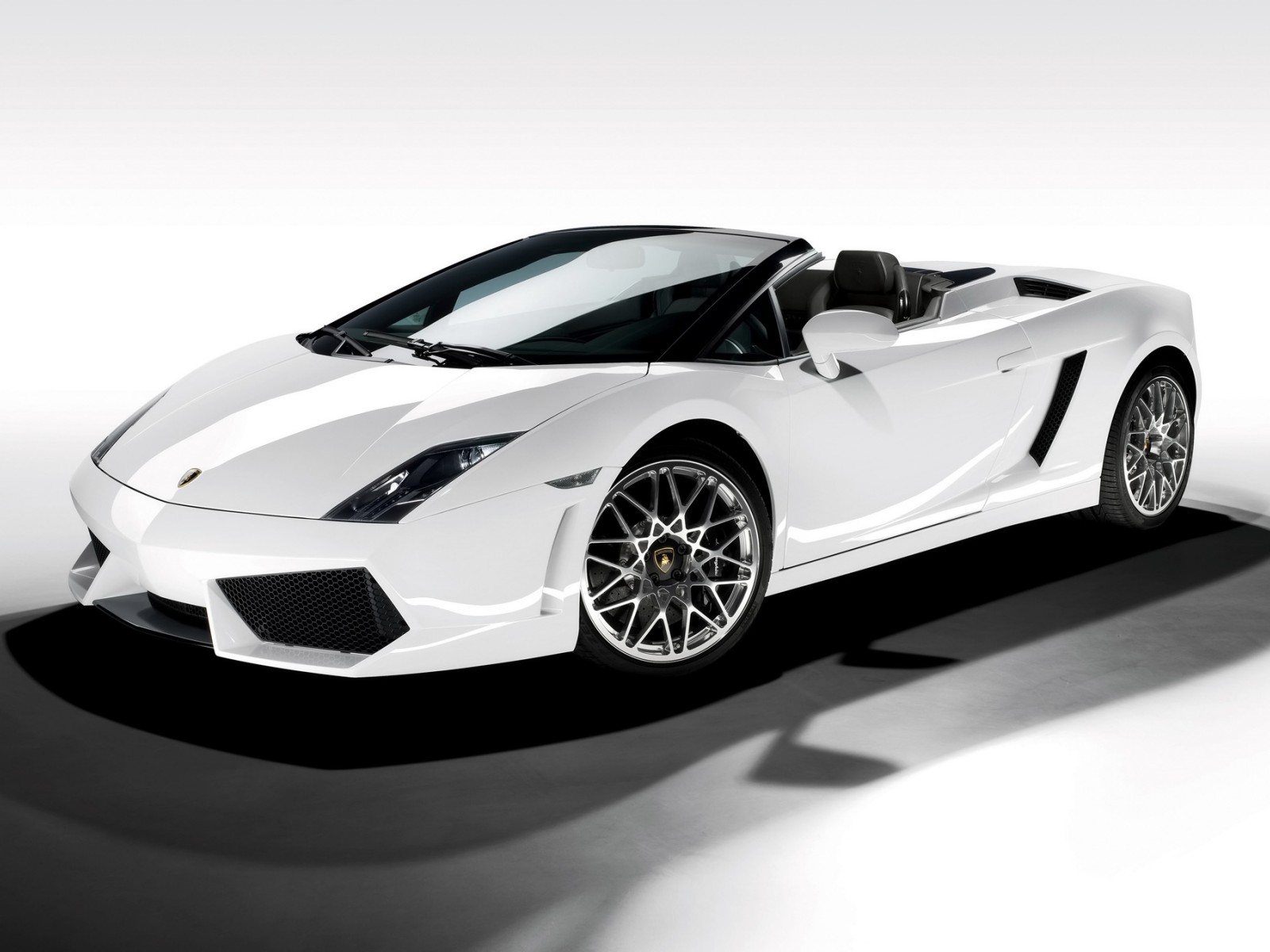
2009 Lamborghini Gallardo LP560 Spyder
“All this matters because economists thought, wrote, and prescribed as if nature did not.”
J. R. McNeill, Something New Under the Sun.
“Global Warming is nonsense. Greenhouse gases mean growth, far as I can see. The Earth is one big resource, to exploit and consume, for the grand old party.”
L. J. Furman, Sunbathing In Siberia
Economics, according to Daly and Farley, in Ecological Economics, ISBN 1-55963-312-3, is “the science of allocation of scarce resources among alternative ends,” or “what we want and what we have to give up to get it.”
Since the Great Depression economics has been about growth. Neo-Classical Economists measure the health of an economy by the growth of Gross Domestic Product, GDP, the sum of the goods an services produced in the market.
Ecological Economists think that the purpose of the economy is not simply to maximize and keep increasing the value of goods and services that are passed around. According to Robert Costanza, Director of the Gund Institute and Professor of Ecological Economics, University of Vermont, “The purpose of the economy should be to provide for the sustainable well-being of people.” Ecological Economics distinguishes growth from development. Growth, an increase in throughput, can waste resources. Development, a qualitative change for the better, results in realization of potential. Ecological Economists distinguish between costs and benefits, and subtract costs. Rather than the Gross Domestic Product, GDP, Ecological Economists focus on the Genuine Progress Indicator, GPI,and distinguish economic goods from what Donella Meadows calls “economic bads.
Continue reading →